Active inference · Reinforcement learning

How does
intelligence
emerge?

I study how neural function emerges from physical systems. At Emeron Labs , active inference and reinforcement learning drive my independent research—connecting phenomenological models with neurophysiological circuit simulations.

Emeron Labs · Emergence of inference

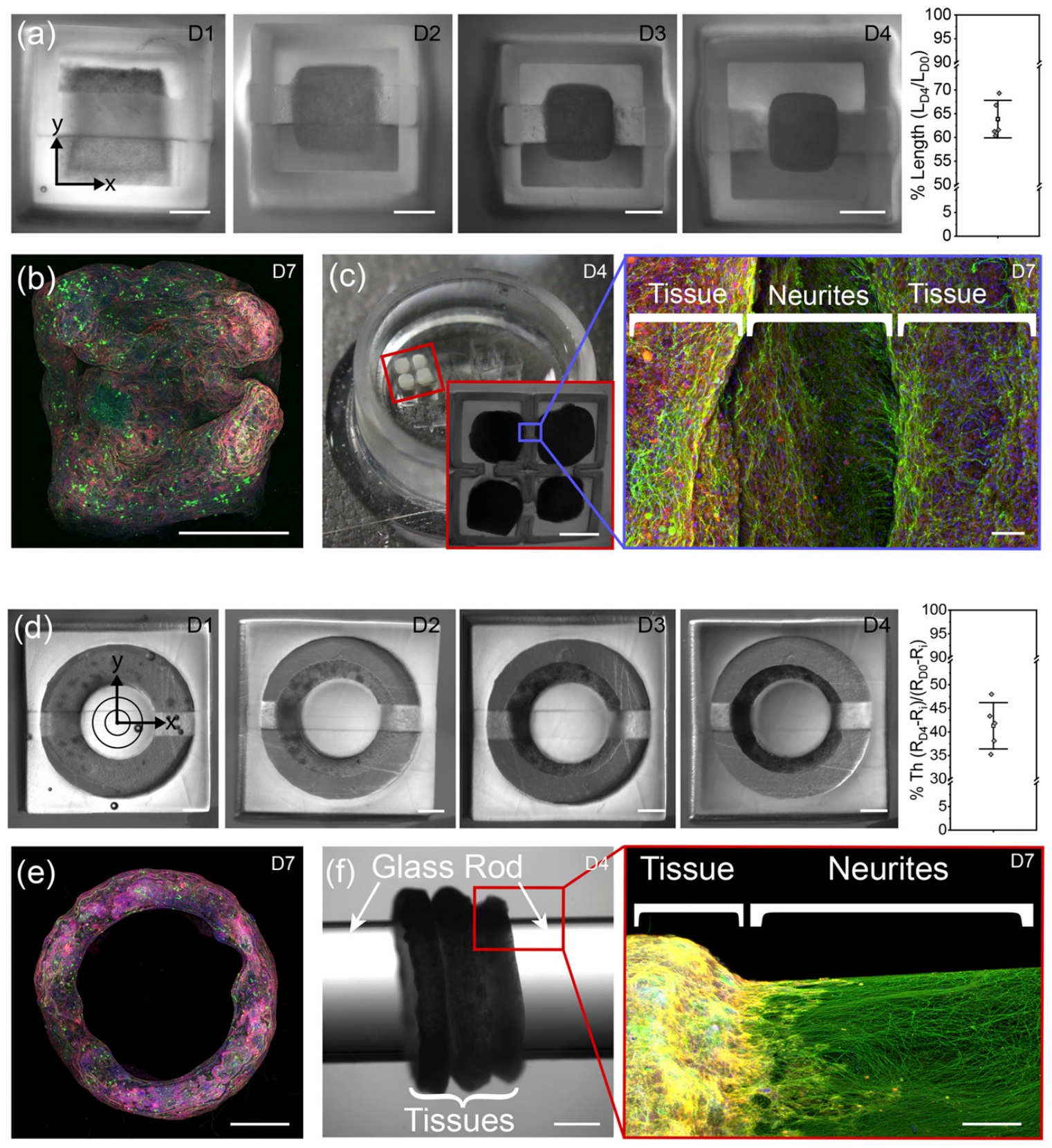
From structure to function. Fluorescent neurites extending from engineered neural tissue, Figure 4 excerpt 01 / ENGINEERED NEURAL TISSUE PNAS · 2019 Ring-shaped engineered neural tissue, Figure 4 excerpt RING-SHAPED NEURAL TISSUE

From my earlier in vitro research.
Actual microscopy, PNAS 2019. Click to explore.

One question, evolving methods
In vitro → Computational neuroscience → Emeron Labs
01 / Active inference & reinforcement learning

Emeron Labs

Emergence of inference.

My research centers on active inference and reinforcement learning : how biological neural architecture gives rise to inference, learning, and adaptive behavior—and what these mechanisms can teach us about training AI.

I combine phenomenological modeling with neurophysiological circuit simulations to develop and test hypotheses across levels of complexity. A longer-term goal is to identify principles that could improve reinforcement-learning training in commercial frontier models.

WORKING HYPOTHESES · OPEN TO DISCUSSION Discuss a hypothesis ↗
01 What does neural architecture contribute to inference? +

I want to examine how circuit organization, recurrent dynamics, and interactions across timescales constrain learning and behavior. The central question is which architectural features provide useful mechanisms for active inference, and which effects can be captured by simpler phenomenological models.

02 How should an agent choose what to learn? +

My hypotheses distinguish expected information gain before a choice from learning realized afterward. Proposed comparisons examine an expected-free-energy selector alongside an RL-value-plus-information-gain hybrid, with explicit attention to exploration, task performance, and computational cost.

03 How does experience become reusable behavior? +

I am exploring how recurring sequences can become executable skills through discovery, training, effect modeling, and validation. A related question is whether offline consolidation and multi-timescale organization can support more reliable long-horizon behavior.

04 Which biological principles could improve RL training? +

The aim is to translate candidate mechanisms into controlled computational experiments: compare them with matched RL baselines, isolate their contributions, and measure learning efficiency, transfer, robustness, and training cost. Relevance to commercial frontier models is a research objective; these are hypotheses to investigate.

02 / Research journey

From living tissue
to models of
inference.

The methods have changed. The underlying question remains: how does organized neural activity become meaningful function?

In vitro

Engineering living neural systems

Bioengineering PhD · University of Illinois

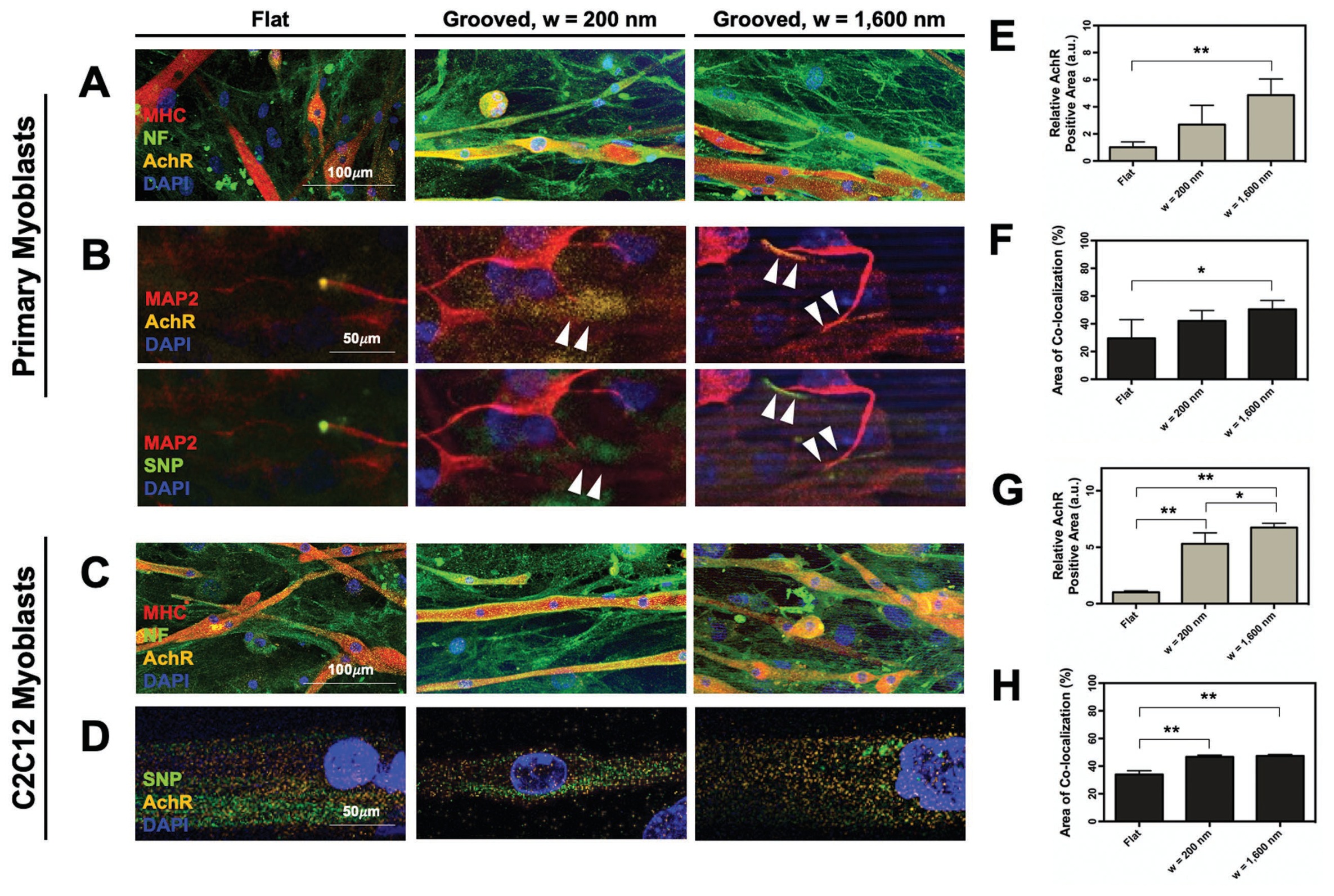
Building three-dimensional neural tissue and studying electrophysiology, development, and neuromuscular interactions grounded my questions in measurable biological systems.

Neural tissue Electrophysiology Emergent function
Computational

Simulating circuits and learning dynamics

Computational neuroscience · UT Austin

Cerebellar simulations and neural data analysis extended that work into models of learning, forgetting, and extinction, using C++, CUDA, and Python.

Circuit simulations Learning dynamics GPU computing
Independent
research · Now

Emeron Labs: emergence of inference

Active inference · Phenomenological & circuit modeling

Bringing biological architecture, Grossberg-inspired neuroscience, and active inference into a research program on neural function and the mechanisms that could improve reinforcement-learning training.

Working hypotheses Cross-scale models Reinforcement learning
03 / Experimental foundations

Emergence, observed
in living systems.

Earlier coauthored work: high-resolution microscopy, electrophysiology, and neuromuscular junctions that ground my interest in neural function.

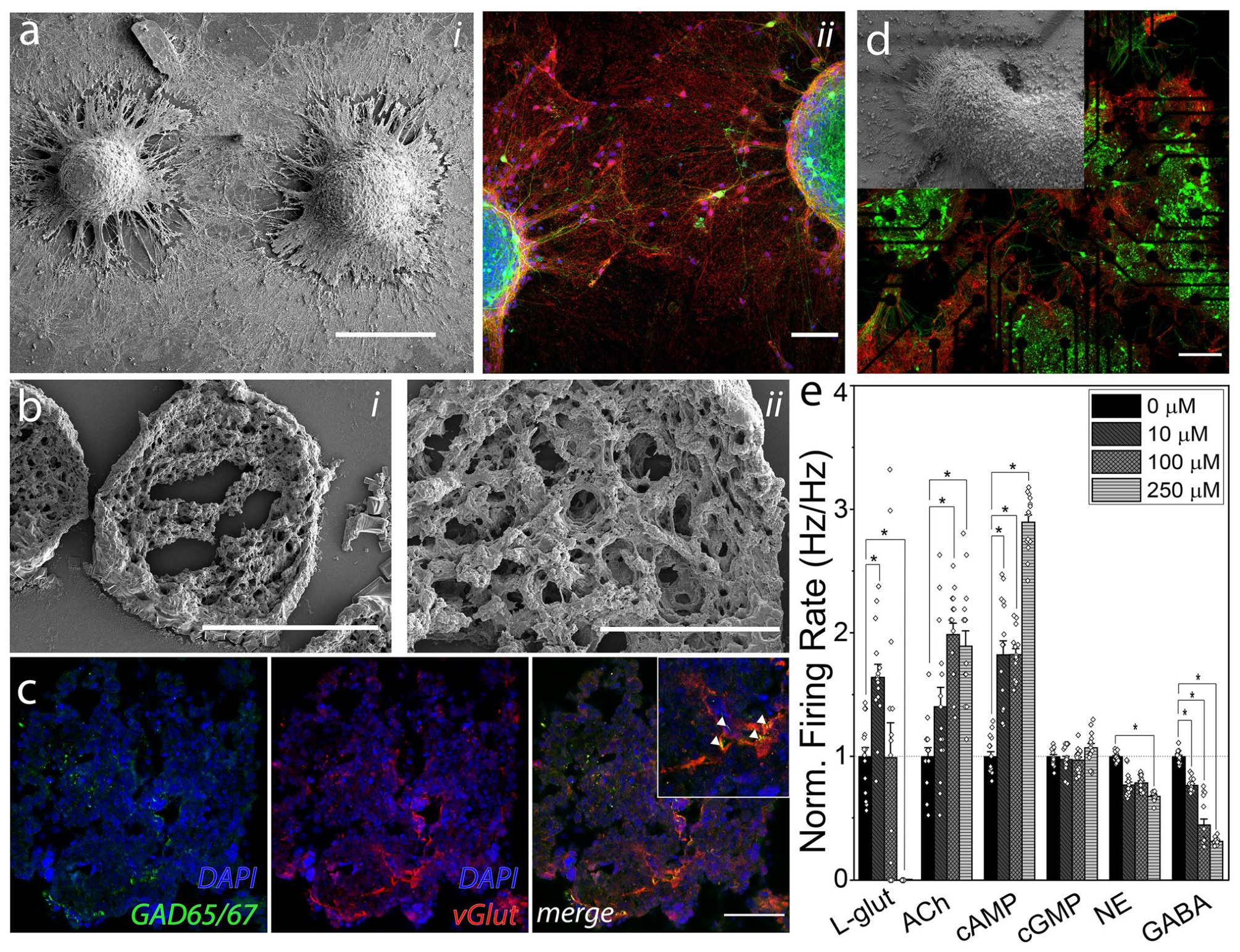
Structure 01
Scanning-electron and fluorescence microscopy of engineered motor-neuron networks

Building living
neural systems.

Engineering three-dimensional neural tissue and examining how geometry, development, and stimulation relate to its organization and function.

Explore the microscopy ↗
Scientific Reports, 2020 · Figure 2 · Paper ↗
Dynamics 02
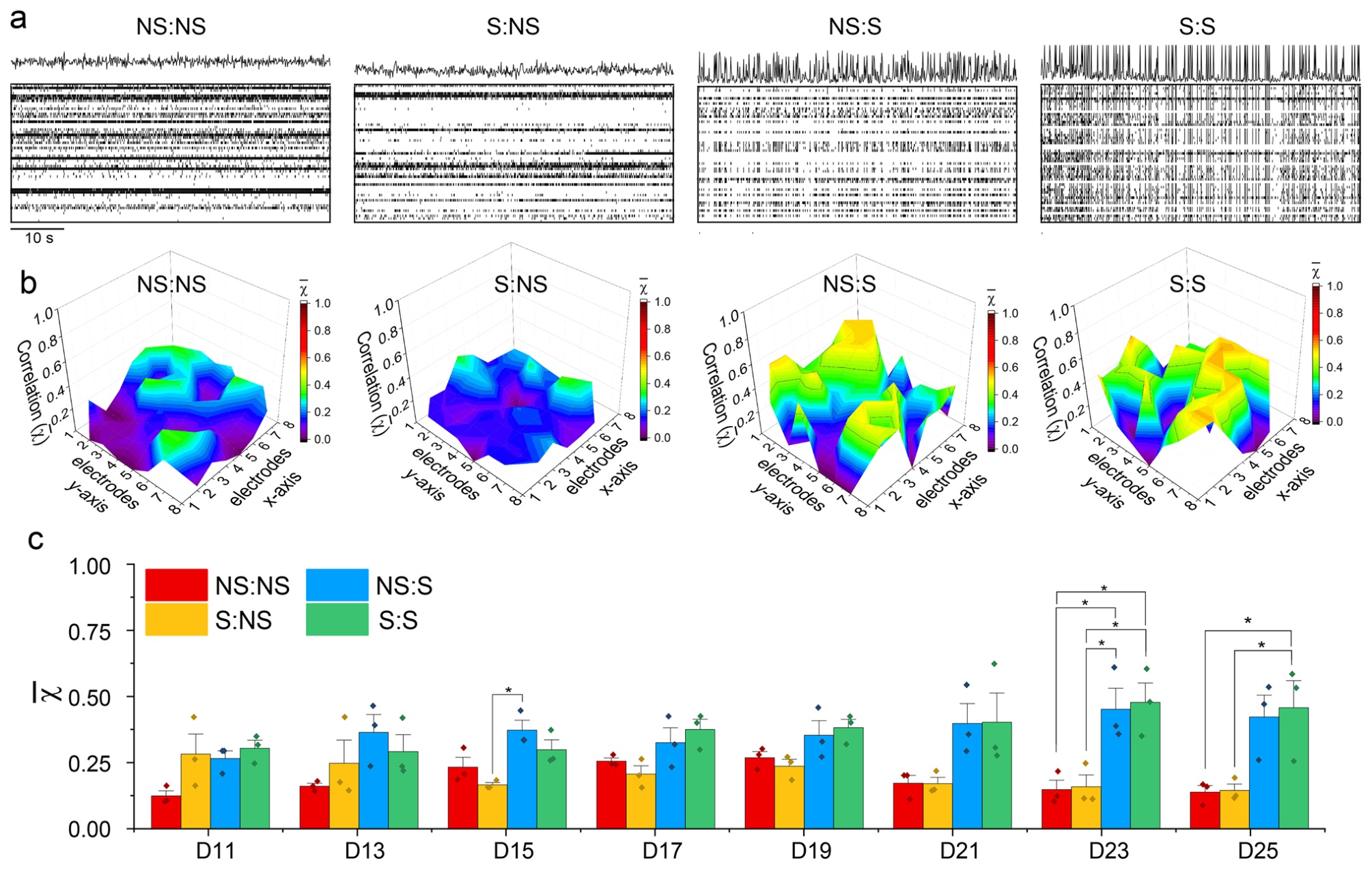
Measured electrophysiology traces and activity maps comparing neural stimulation conditions

From signals
to coordinated activity.

Using electrophysiology and computational analysis to investigate neural firing, synchrony, plasticity, and the effects of developmental stimulation.

Explore the recordings ↗
Scientific Reports, 2020 · Figure 4 · Paper ↗
05 / A continuing question

Curiosity brought
me here.

At 21, studying entropy and protein folding led me to a question that has stayed with me: how do physical processes give rise to something as remarkable as a thought?

That curiosity took me from mechanical engineering and theoretical-physics interests at the University of Puerto Rico to a PhD in bioengineering at Illinois, where I worked with living neural systems. Computational neuroscience at UT Austin then gave me a way to investigate circuit dynamics and learning through simulation.

Today, I pursue these questions independently through Emeron Labs—emergence of inference. I am especially interested in discussing active-inference hypotheses, connecting phenomenological descriptions to neurophysiological mechanisms, and identifying experiments that can tell competing explanations apart.

NSF Graduate Research Fellow UT Austin Provost’s Early Career Fellow Active Inference Institute Fellow
Let’s discuss a hypothesis.

I welcome thoughtful exchanges about active inference, biological neural architecture, emergent function, and better ways to train learning systems.

Start a research conversation ↗